Corporate volunteering is no longer a single day pulling weeds in a community garden (though there's nothing wrong with that). Today's programs span continents, skill sets, and calendars. The organisations that do it well are the ones who understand the difference between each format and when to deploy them.
2026 is the United Nations International Year of Volunteers for Sustainable Development — a global recognition that volunteering is one of the most powerful tools we have to advance the SDGs.
With National Volunteer Week just around the corner (18–24 May 2026), there's no better time to take stock of what your program looks like and where it could go. The theme, Your Year to Volunteer is a direct invitation to businesses to step up, get intentional, and make this the year their programs go from ad hoc to transformational.
Whether you're building from scratch or scaling what already exists, here's a breakdown of the core types, the trade-offs, and how to make it all work.

01. Skilled Volunteering
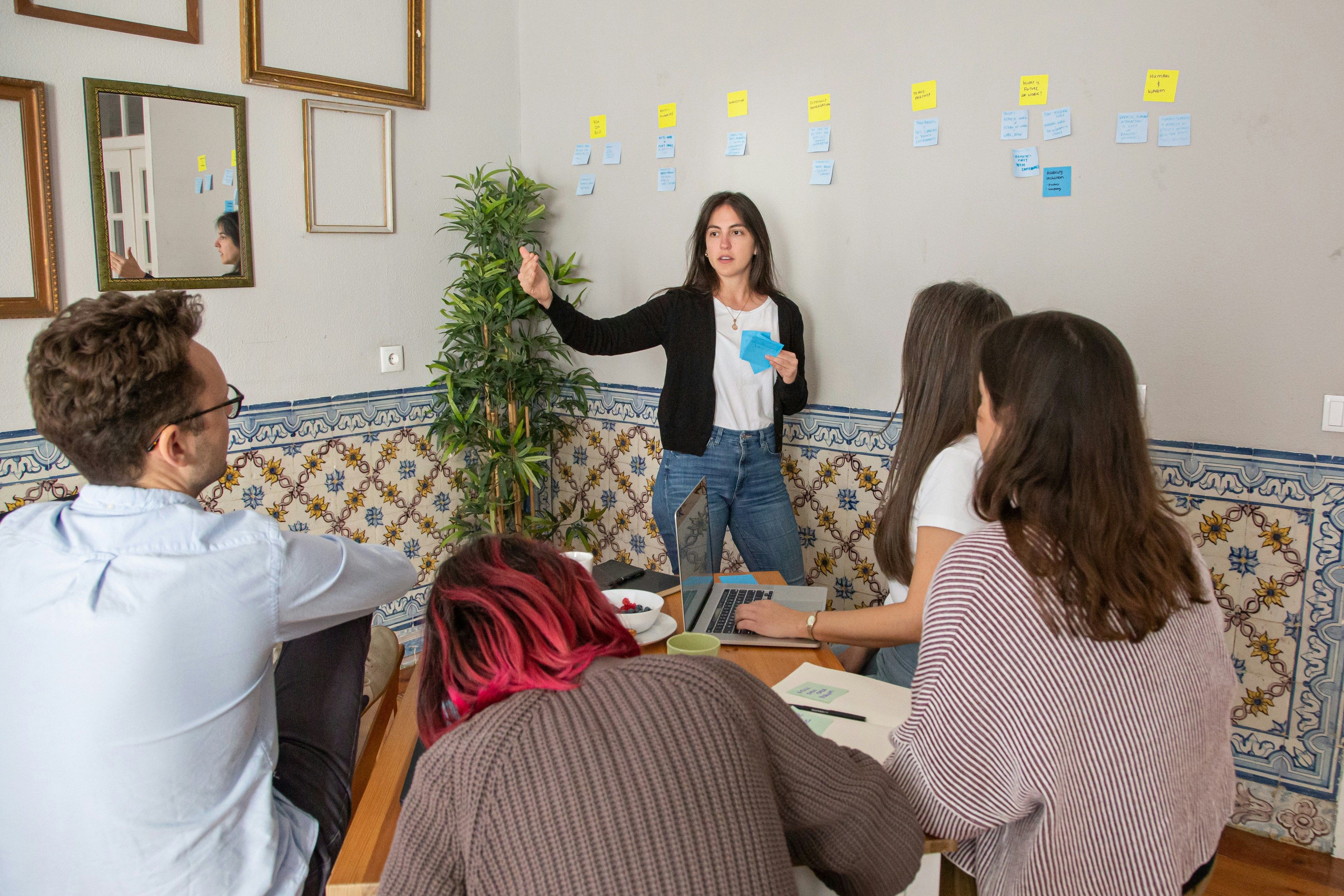
Skilled volunteering puts professional expertise — legal advice, financial modelling, marketing strategy, IT support — directly in the hands of nonprofits that couldn't otherwise afford it. It's the highest-leverage form of corporate volunteering because the value transferred is multiplicative, not just additive.
A lawyer donating two hours of contract review can save a small charity thousands of dollars and weeks of delay. A data analyst building a dashboard for a community organisation might transform how they make decisions for years to come.
This is exactly the kind of contribution the UN IVY 2026 agenda envisions: volunteers as agents of sustainable development.
Strengths: high-impact and lasting outcomes, builds employee confidence and new skills, strengthens employer brand with purpose-driven talent, and nonprofits receive genuine strategic value.
Worth noting: it's harder to scale across all staff levels, requires careful matching of skills to needs, and outcomes take longer to materialise.
02. Team Volunteering
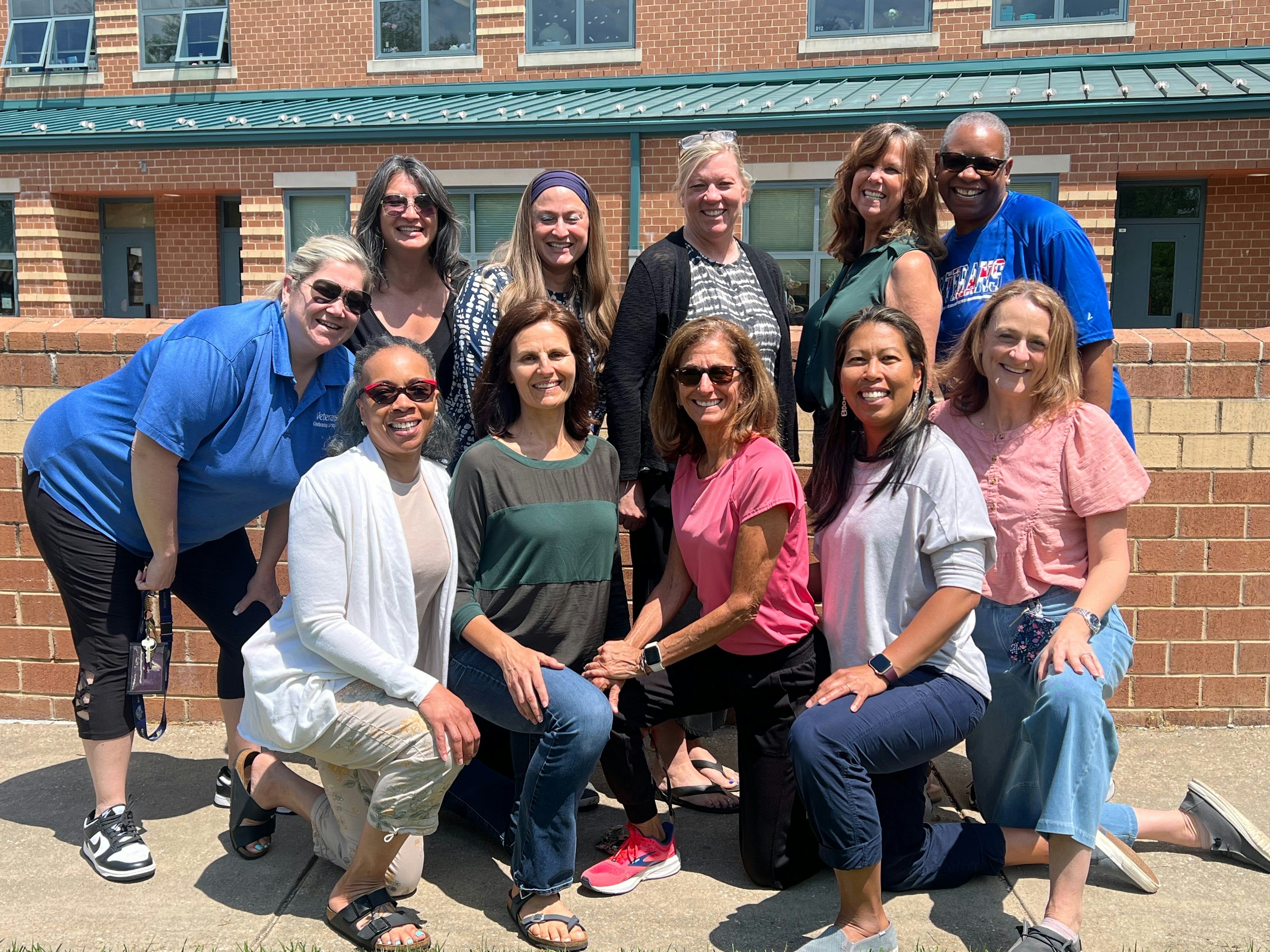
Team volunteering serves a dual purpose, it creates meaningful community impact while simultaneously building cohesion among colleagues. Think beach clean-ups, habitat restoration, packing food hampers, or painting a community space. These are activities where collaboration is the point.
Done well, a team volunteer day can do more for culture than a corporate offsite. There's something about working side-by-side on something that genuinely matters that strips away hierarchy and builds real connection.
Strengths: inclusive and accessible to all skill levels, a powerful team culture and morale driver, delivers visible and tangible impact in a single day, and works especially well for onboarding and new team integration.
Worth noting: logistics-heavy to coordinate at scale, impact can feel surface-level without follow-through, and harder to track individual contribution.
03. Offsite, In-Office & Virtual
Location shapes everything about the volunteer experience, including the energy, the accessibility, and the type of charity that benefits.
Offsite volunteering is immersive and memorable, directly serves local communities, and brings high engagement energy. The trade-off is cost and complexity of coordination.
In-office volunteering lowers the barrier to participation and is easy to embed into the workday. It suits packing, sorting, and crafting activities well, though the range of activity types is more limited.
Virtual volunteering has global reach with zero travel, making it ideal for remote and distributed teams. Mentoring, tutoring, and consulting all work well in this format.
04. Flexible Volunteering Mechanisms
Rigid, annual volunteer days can leave participation rates on the table. Though additionally offering flexible mechanisms lets employees integrate giving back into their real lives.
Volunteer leave gives employees paid days off for approved volunteering, making it ideal for longer-form skilled projects.
Micro-volunteering offers bite-sized tasks completable in 30–60 minutes, perfect for busy employees and remote teams.
Charity secondments embed employees inside a nonprofit for one to three months, making them a powerful leadership development tool.
Giving time accounts work like banked hours that employees can spend as they choose, driving both autonomy and participation.
The key insight is that flexibility drives participation. When employees can volunteer on a Tuesday at 2pm and not just one Saturday in October, engagement climbs and so does genuine impact.

05. Recognising and Rewarding Your Volunteers
Getting people to volunteer once is relatively easy. Getting them to become champions — the kind of employees who bring colleagues, share stories, and grow the program from the inside — requires recognition.
2026 National Volunteer Week's theme Your Year to Volunteer puts individual agency at the centre. Your recognition strategy should do the same. Here's how:
Make it personal. A handwritten note or direct message from a senior leader lands far harder than a generic company-wide email. Name the person, name the cause, name the impact. It takes five minutes and it's the thing people remember.
Give back to their cause. One of the most meaningful ways to recognise a volunteer is to make a financial donation to the charity they volunteered with in their name. It closes the loop between their effort and the outcome, while deepening the relationship with your charity partner at the same time.
Create visible moments. Spotlight your most active volunteers — in an all-hands, on your intranet, in your ESG report, or on LinkedIn. Public recognition builds culture and signals to the rest of the organisation that volunteering is valued, not just tolerated.
Build it into career conversations. Volunteering builds real skills, including project management, stakeholder communication, cross-cultural collaboration. Encourage managers to ask about it in performance reviews and include volunteer contributions in professional development conversations. When volunteering is connected to career growth, participation stops being optional.
Track and celebrate milestones. Hours volunteered, charities supported, causes championed — give people a number to work towards and celebrate when they hit it. Platforms like Catalyser make this easy to track at both the individual and organisational level, giving you the data to recognise impact meaningfully and report it credibly
Ready to build or improve your program?
With National Volunteer Week (18–24 May 2026) and the UN International Year of Volunteers for Sustainable Development in full swing, 2026 is the year to get intentional. Catalyser connects your team to a curated network of nonprofits and causes — matching the right people to the right projects, whether it's a one-hour micro task or a three-month skilled secondment.